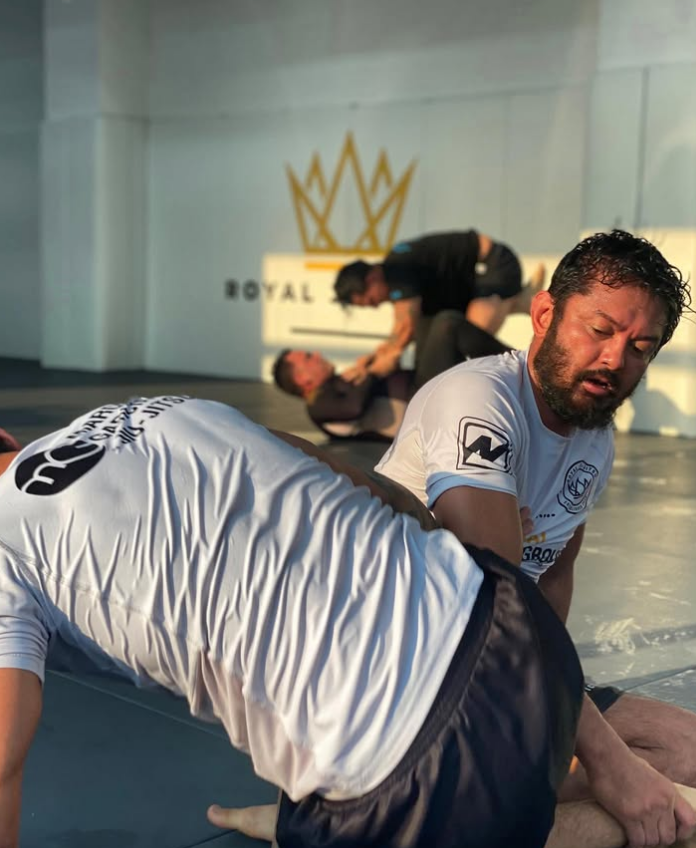
Your first class should feel welcoming, structured, and surprisingly doable, even if you have never trained before.
If you have been curious about Brazilian jiu jitsu but keep wondering what actually happens in a first class, you are not alone. In Queens, a lot of adults want a workout that feels purposeful, a skill they can build over time, and a community that makes it easier to stay consistent. We designed our beginner experience around exactly that.
Brazilian jiu jitsu is also growing fast worldwide, and for good reason. It blends fitness, problem-solving, and practical self-defense in a way that keeps you engaged. Your first session will feel like a full-body workout, but it is guided step by step, with clear expectations and plenty of room to learn at your pace.
In this guide, we will walk you through what you can expect from the moment you arrive, what to wear, how training is kept safe, and how to think about progress in your first few weeks of brazilian jiu jitsu in Queens.
Why so many Queens adults are starting Brazilian jiu jitsu now
Queens runs on busy schedules. Between commuting, long workdays, and family responsibilities, most people want training that delivers real value in limited time. A typical beginner class gives you conditioning, coordination, and technique practice all in one session, and the American Council on Exercise has highlighted how grappling-style workouts can burn hundreds of calories while building cardiovascular health and functional strength.
We also see a big shift in who walks through the door. It is not only lifelong athletes. We regularly coach professionals, parents, students, and people returning to fitness after a long break. And the growth of women in the sport has made training culture better across the board: clearer boundaries, smarter drilling, and a bigger focus on safe learning instead of proving toughness.
Brazilian jiu jitsu rewards consistency more than intensity. If you show up, listen, and repeat the basics, you will improve. That is refreshing, especially if you have tried fitness routines that felt like punishment instead of progress.
What happens when you arrive for your first class
Your first impression matters, so we keep the front end simple. When you come in, we will help you get oriented: where to leave shoes, where to store your things, and how the class is going to run. If you have questions, ask. You do not need to act like you already know what you are doing. Nobody expects that.
We will also talk briefly about goals. Some people want self-defense. Some want a challenging workout. Some want a new skill that is not staring at a screen. Your goal helps us coach you better, especially during your first few classes.
If you are coming from Astoria, Flushing, Jackson Heights, or nearby neighborhoods, plan to arrive a little early the first time. Queens logistics are real, and giving yourself an extra 10 to 15 minutes makes the whole experience calmer.
What to wear and what to bring (keep it simple)
Beginners often assume they need a big shopping list. You do not. You can start with basics and upgrade later once you know you enjoy training.
For gi classes, you will wear a gi. For no-gi classes, you will wear fitted athletic gear like a rash guard and shorts. Many academies offer gear for rent, and we do as well, so you can try a class before committing to new equipment.
Bring a water bottle and a small towel if you like. You will sweat. Also, please trim fingernails and toenails. It is a small thing that makes training more comfortable and prevents scratches.
Here are a few practical tips we recommend before your first session:
- Wear clean training clothes and avoid zippers, metal, or sharp accessories that can snag or scratch
- Eat a light meal 1.5 to 2.5 hours before class so you have energy without feeling heavy
- Arrive hydrated, especially in warmer months when the mats heat up quickly
- Remove jewelry and tie back long hair securely so you can move freely
- Let us know about prior injuries so we can suggest smart modifications
The typical class flow: warm-up, technique, drilling, and controlled sparring
Most first-timers worry about getting thrown into intense sparring. That is not how we run beginner introductions. We coach fundamentals first, then add live training in a measured way.
Warm-up that teaches movement, not just fatigue
Our warm-ups are not random. We use them to teach jiu jitsu-specific movement: how to fall safely, how to hip escape, how to bridge, how to move your feet and knees on the mat. At first, it can feel awkward, like learning a new sport (because it is), but it clicks faster than people expect.
This part also helps reduce injury risk by getting your joints warm and your breathing steady. And yes, you will feel it in your core the next day.
Technique of the day: one theme, taught in layers
After warm-up, we teach a core technique or position. Beginners do best when the lesson has a clear theme, so we focus on a small set of connected ideas. For example, you might learn how to keep someone in your guard, how to break posture, and one simple sweep that fits that situation.
We explain the why behind the details, not just the steps. You will hear coaching cues like posture, frames, base, and pressure. Those words become your roadmap over time.
Drilling: where you actually learn Brazilian jiu jitsu
Drilling is repeating the movement with a partner at low intensity so you can build coordination and timing. This is where most progress happens early, especially for adults. We will coach you on grips, angles, and small adjustments that make the technique work without strength.
If you feel lost, that is normal. Your brain is trying to map a new kind of movement. Give it a few sessions. It settles.
Positional rounds or light rolling (based on your comfort)
Live training is important, but it should match your experience level. For a first class, we often use positional rounds where you start in a specific spot and practice one goal, like escaping side control or holding top position for a few seconds.
If you do full rolling, we keep it controlled. We emphasize tapping early, protecting training partners, and focusing on learning rather than winning. If you are unsure, you can always sit out a round and watch. That is still learning.
Cool-down and quick questions
We usually finish with a short cool-down or mobility work, then time for questions. If something felt confusing, ask right away. You are not interrupting. That is part of the class.
Safety, tapping, and what to do if you feel nervous
Safety is a real concern in grappling. A 2019 study found that 59.2 percent of athletes reported an injury in the prior six months, and risk patterns can vary by experience level. Beginners can get banged up when they move unpredictably or try to power through positions. That is why our coaching in early classes is so focused on control.
Tapping is your safety valve. If a joint lock is on, you tap. If you feel stuck and your breathing spikes, you tap. If you are not sure what is happening, tap and reset. There is no prize for enduring discomfort in training.
We also encourage you to communicate. If you have a stiff neck that day, say so. If you want lighter rounds, tell your partner. The culture we build depends on people being honest and respectful, not silent and reckless.
Gi vs no-gi: what you should expect from each
Queens students often ask whether they should start in the gi or no-gi. Both are Brazilian jiu jitsu, but they feel different.
The gi slows things down. You have grips on sleeves and collars, which can make early learning more structured. No-gi is faster and sweatier, with more emphasis on body position, underhooks, and movement.
If you are not sure, we usually recommend trying both. Many adults end up enjoying the balance: gi for technical detail, no-gi for athletic pacing.
What you will learn in your first month (and what progress really looks like)
The first month is about building a foundation, not collecting a hundred techniques. You will get more value from learning a few positions deeply than skimming everything.
In your first several weeks, you can expect to work on:
- How to move on the mat safely, including hip escapes, bridges, and technical stand-ups
- Core positions like guard, side control, mount, and back control so you know where you are
- Basic escapes that help you feel less stuck and more in control under pressure
- Simple submissions taught with safety and context, so you understand when they apply
- A beginner approach to sparring: posture, frames, breathing, and staying calm
You will also notice changes outside class. Better posture, stronger grip and core endurance, and improved stress management are common. A lot of people are surprised by the mental side of it. You have to focus, and that focus tends to carry into the rest of the day.
How often should you train to get results without burning out
For beginners, 2 to 3 sessions per week is the sweet spot for progress without overload. That frequency lines up with coaching best practices and what we see work in real life for adults balancing Queens schedules.
If you train once a week, you can still learn, but it feels like restarting every time. If you train five or six times a week right away, you might improve quickly but also risk soreness, fatigue, and frustration. Consistency beats intensity.
We also recommend treating recovery like part of training: sleep, hydration, and a little mobility work. Your body adapts fast, but you have to give it the chance.
Belts, timelines, and what to focus on as a beginner
People love to ask how long it takes to earn a belt. There is useful data from large practitioner surveys showing average time at white belt around 2.3 years, with black belt often taking over a decade in total. That does not mean you are stuck doing the same thing for two years. It means the skill is deep, and the milestones represent real capability.
Our advice: measure progress in smaller wins. Did you remember to frame properly? Did you escape once? Did you stay calm in a bad position for ten seconds longer than last week? Those are real steps forward.
If you stay patient, you will look back after a few months and realize you move differently, think differently, and feel more confident in your ability to handle pressure.
What makes our adult classes in Queens feel different
Adult beginners need structure, not chaos. We keep the room focused and friendly, with clear coaching and a culture where people help each other improve. You will train with partners of different sizes and experience levels, and that variety is a strength of brazilian jiu jitsu classes for adults because it teaches you to rely on technique, timing, and leverage.
We also respect that adults walk in carrying real-world stress. Training should challenge you, but it should also leave you feeling better than when you arrived. Some days you will feel sharp. Some days you will feel clumsy. Both days count.
If your goal is fitness, we will help you build it through skill-based training. If your goal is self-defense, we will emphasize practical positions and decision-making. If your goal is community, you will find it on the mats, one class at a time.
Ready to Begin
Getting started with Brazilian jiu jitsu is much easier when you know what the first class looks like, what you need, and how we keep training safe and structured. If you are looking for brazilian jiu jitsu in Queens that fits adult life and still challenges you in the best way, we are ready to guide you step by step.
When you are ready to take that first class, we will help with gear questions, walk you through the room, and make sure your first rounds feel controlled and productive at Royal Jiu-Jitsu Queens.
Take what you learned here to the mat by joining a Brazilian Jiu-Jitsu class at Royal Jiu-Jitsu Queens.