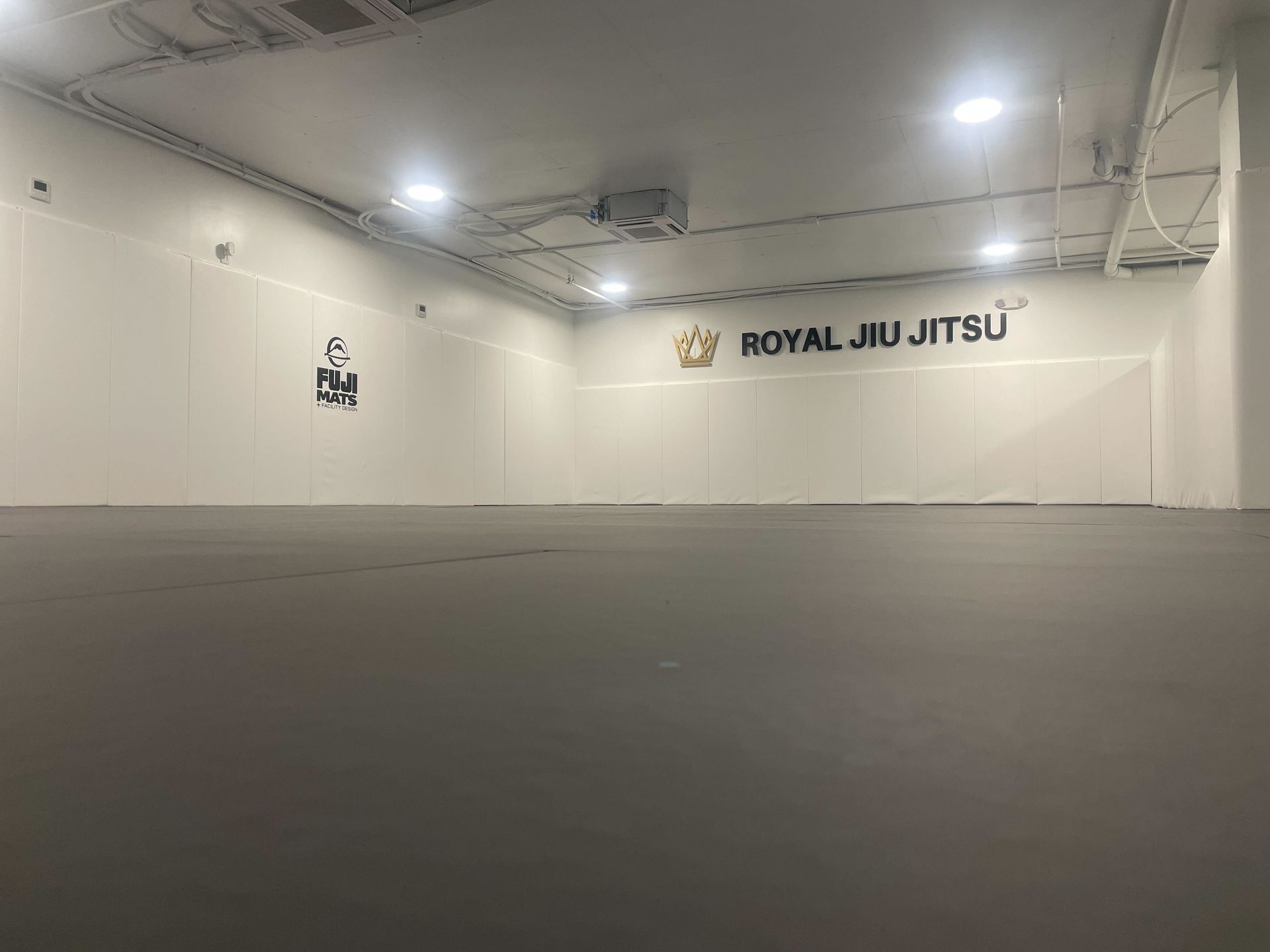
Start simple, train consistently, and let your first few weeks be about learning how to learn.
Starting adult brazilian jiu jitsu can feel like stepping into a new language: grips, positions, pressure, timing, and a bunch of terms you swear you will remember later. We get it. Most adults in Queens are juggling work, commuting, family, and a schedule that already feels full, so the idea of adding training can sound like a lot.
The good news is that adult brazilian jiu jitsu is one of the most scalable ways to build fitness and real-world self-defense skills without needing to be an athlete on day one. If you show up consistently and let us guide you through fundamentals, your body adapts faster than you expect.
In this guide, we will walk you through the essential beginner tips that make your start smoother, safer, and honestly more fun, especially if you are exploring brazilian jiu jitsu in Queens for the first time.
What adult brazilian jiu jitsu looks like in Queens
Queens moves fast. People are on trains, walking home from late shifts, getting kids to school, squeezing workouts into odd hours. That is why we structure our training to be practical and realistic, not just theoretical. You learn how to control distance, manage grabs, escape bad positions, and stay calm when someone is putting real pressure on you.
From a fitness perspective, BJJ hits a sweet spot for adults: full-body work, steady cardio, and functional strength. Organizations like the American Council on Exercise note that classes can burn hundreds of calories while improving cardiovascular health and strength. The difference is, you are not just grinding through reps. You are solving problems with your body.
And if you have ever worried you are “too old” to start, you are not. We coach plenty of adults who begin in their 30s, 40s, and beyond. The key is training smart.
Set the right expectations for your first month
Your first month should feel a little clumsy. That is normal. BJJ is highly technical, and beginners often try to muscle through things because technique has not settled in yet. We would rather you focus on clean movement and good habits than “winning” any exchanges.
A simple timeline we like to share is this:
- Week 1: learning how class works, how to move safely, and how to tap early
- Weeks 2 to 4: recognizing a few core positions and surviving longer rounds calmly
- Month 2 onward: building a basic game you can repeat and refine
Progress is not linear. Some days you will feel sharp, and some days you will feel like you forgot everything. That is part of adult brazilian jiu jitsu, and we coach you through it.
Train 2 to 3 times per week for steady progress
Consistency beats intensity almost every time. For most adult beginners, we recommend training 2 to 3 classes weekly. That frequency is widely suggested for skill-building without overload, and it fits real adult schedules better than “train every day” advice that leads to burnout.
If you can only make two classes some weeks, that is fine. Just keep the chain unbroken as much as possible. Your timing, conditioning, and confidence come from showing up.
If you do want more, we will help you scale responsibly with recovery, mobility work, and the right pace during sparring.
Understand the cost reality in New York, then focus on value
New York gyms tend to have the highest average monthly dues in the country, often in the $173 to $236 range, reflecting location costs and demand. Queens is no exception. When adults look into brazilian jiu jitsu classes for adults, pricing can be surprising at first.
What matters is what you get for your time and money:
- coaching that keeps beginners safe while still progressing
- a structured curriculum so you are not guessing what to learn next
- a community that makes you want to come back after a long day
We design our program to make every class feel like it has a point. That is how you stick with adult brazilian jiu jitsu long enough to see real change.
Safety first: how to reduce injury risk as a beginner
BJJ is a contact sport, and we take safety seriously, especially for new students. Research shows injury rates can affect 59.2 percent of athletes over a six-month period, with novices experiencing higher training injuries than competition, which is a strong reminder that beginners need smart progressions.
Here is what we coach you to do from day one:
- Tap early and tap clearly. Do not test your limits in joint locks.
- Choose control over speed. Fast, uncontrolled movement causes weird collisions.
- Communicate. If something hurts or you feel lost, say it.
- Focus on posture and frames. Good structure prevents panic scrambling.
- Respect recovery. Sore is normal, sharp pain is not.
We also pair newer students thoughtfully so you are not thrown into chaos. Adult brazilian jiu jitsu should challenge you, but it should not chew you up.
What to bring to your first class in Queens
You do not need to overthink your first day. We want you to arrive comfortable and ready to learn.
Bring:
- comfortable athletic clothes if you do not have a gi yet
- a water bottle
- a small towel if you sweat a lot (most of us do)
- basic hygiene items like deodorant and clean training gear
- an open mind, because the first class can feel like a lot of information
If you are starting with no gear, that is completely fine. We will guide you on what you need and when it actually makes sense to buy it.
Learn a few “big concepts” instead of chasing a hundred moves
Beginners often want a giant list of techniques. We prefer the opposite: a few concepts you can apply everywhere.
In adult brazilian jiu jitsu, the fundamentals that matter early include:
- positioning before submission
- balance and base
- posture inside someone’s guard
- frames to create space
- breathing under pressure
Once those are in place, techniques start sticking. You begin to notice patterns: “Oh, this is the same problem as last week, just from a different angle.”
Your first sparring rounds should be boring on purpose
Yes, boring. Controlled. Calm. That is where growth happens.
We introduce sparring in a way that makes sense for beginners, often with positional rounds where you start in a specific spot and focus on one goal. This keeps you from feeling like you are drowning and helps you learn faster.
When you do live rounds, aim for:
- safe movement
- good defense and escapes
- protecting your neck and arms
- staying present instead of trying to “win” instantly
Adult brazilian jiu jitsu rewards patience. The people who improve quickly are usually the ones who can slow down and think.
A simple first-class checklist you can follow
If you like having a plan, use this on your first day. It keeps things simple and helps you leave feeling successful.
1. Arrive 10 to 15 minutes early so you are not rushed.
2. Tell us your goals: fitness, self-defense, stress relief, competition, or all of it.
3. Learn how to tap, how rounds work, and where to stand during instruction.
4. Focus on one or two details per technique, not everything at once.
5. After class, ask one question you were thinking about but did not want to interrupt with.
6. Hydrate, eat a real meal, and get sleep. Recovery is training too.
This is how you build momentum in brazilian jiu jitsu in Queens without making it complicated.
How long does it take to see results or earn a blue belt
You will usually feel changes quickly. Many adults notice better conditioning, improved mood, and a calmer response to stress within a few weeks of consistent training. The skill side takes longer, but that is part of what makes it worth it.
For rank, a common benchmark is the blue belt. Average time from white to blue belt is about 2.3 years with consistent training. That is not meant to pressure you. It is meant to keep expectations realistic.
If you train 2 to 3 times per week, take coaching seriously, and stay healthy, you will progress. Adult brazilian jiu jitsu is very honest that way.
Self-defense for Queens commuters: what we emphasize
We focus on grappling that works when things get messy: close range, grabs, clinches, and situations where you may lose footing or space. In a dense place like Queens, that matters. You are often in tight areas: sidewalks, stairwells, crowded platforms, narrow hallways.
Our self-defense lens includes:
- distance management and awareness
- getting off the ground safely when you end up there
- escapes from holds and pressure
- controlling someone long enough to disengage safely
We keep training realistic without turning class into paranoia. The goal is confidence and competence, not fear.
Competition is optional, but Queens has a strong scene
You do not have to compete to enjoy BJJ. Plenty of adults train purely for fitness, skill, and community. Still, Queens and the broader New York area have an active tournament culture. Events like the IBJJF New York Spring tournament draw hundreds of adult competitors across many divisions, which shows how deep the local scene is.
If you decide you want to compete, we will help you prepare with:
- rule awareness and scoring basics
- structured sparring rounds
- conditioning that supports performance without breaking you down
- a game plan built around your actual strengths
And if competition is not your thing, that is perfectly fine. Adult brazilian jiu jitsu can be a lifelong practice either way.
What a supportive adult class culture should feel like
Adults learn best when the room feels safe to ask questions and make mistakes. We keep classes structured, but we also keep them human. You should be able to laugh off a rough round, reset, and try again.
You will also notice something special about BJJ communities: people from different careers and backgrounds training together with mutual respect. That mix is part of what makes brazilian jiu jitsu classes for adults feel like more than just a workout. You build trust through repetition and shared effort.
Ready to Begin
If you want a clear, beginner-friendly path into adult brazilian jiu jitsu, we have built our coaching and class structure around steady progress, safety, and practical skill you can actually use. You do not need to be in shape first or memorize a thousand techniques. You need a consistent routine, guidance that makes sense, and a room where you can learn at your pace.
That is exactly what we focus on at Royal Jiu-Jitsu Queens: helping adults in Queens start strong, stay healthy, and keep training long enough to feel the real benefits of Brazilian Jiu Jitsu in everyday life.
New to Brazilian Jiu-Jitsu? Start with a free trial class at Royal Jiu Jitsu Queens and discover how accessible training can be.