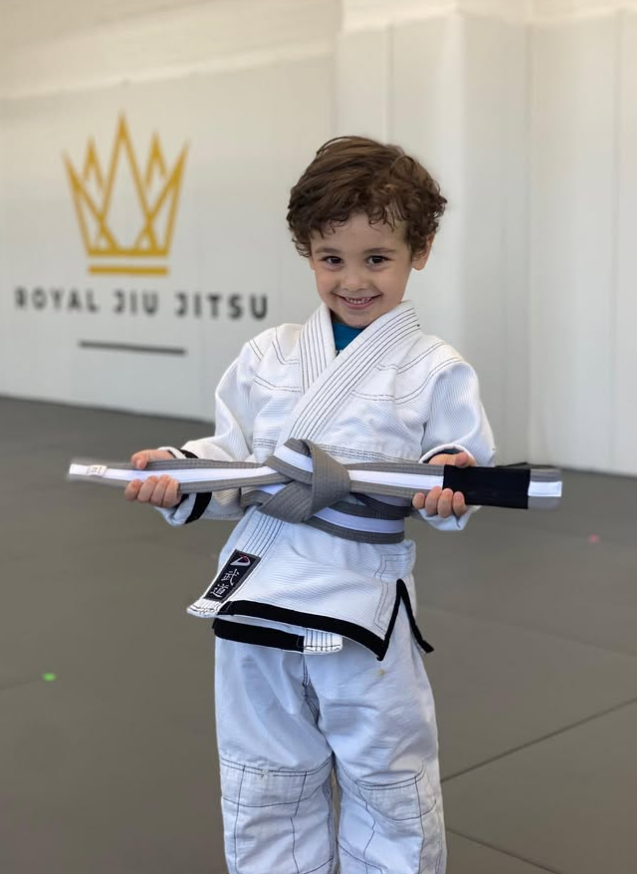
Youth Brazilian Jiu Jitsu can look like “just a martial art,” but the real wins often show up in school, friendships, and everyday confidence.
If you’re exploring Youth brazilian jiu jitsu in Queens, you’re probably thinking about practical self-defense and a healthier way for your kid to move. We’re big believers in both, but we also see something else happen on the mats: kids start carrying themselves differently. Not louder or tougher, just steadier.
Our youth program is built around structure, safety, and small, repeatable progress. That matters, because the benefits of Brazilian Jiu-Jitsu stack up over time, and often in ways parents do not expect at first. Below are seven of the most surprising “spillover” benefits we see as kids train week to week.
Why Youth Brazilian Jiu Jitsu works especially well for Queens kids
Queens is busy. School, screens, packed schedules, tight apartments, long days. Kids need an outlet that is physical, yes, but also organized and mentally engaging. Youth brazilian jiu jitsu gives you exactly that: movement with rules, challenge with coaching, and a place where effort matters more than mood.
Because BJJ is a grappling art, kids learn to solve problems at close range without relying on striking. The emphasis is on control, escapes, balance, and positioning. That naturally creates a training environment where we can teach real skills while keeping intensity appropriate for age and experience.
1. Better self-control, because the rules are real
One of the most unexpected benefits of Youth brazilian jiu jitsu is how quickly kids learn to manage impulses. On the mat, grabbing the wrong way, squeezing too hard, or panicking in a tight position does not help. Calm helps. Listening helps. Breathing helps.
We coach kids to pause, think, and choose a better option even when the moment feels chaotic. Over time, that “pause and choose” habit starts showing up elsewhere: waiting your turn, taking feedback, handling frustration, and not spiraling after a mistake. Research on youth BJJ has also shown measurable improvements in self-control after consistent training, which lines up with what we see in class.
What we reinforce every class
We keep expectations simple and consistent:
- Follow directions the first time, even when you’re excited
- Respect training partners with controlled movement and safe grips
- Reset quickly after a tap or a tough round
- Put effort into the basics, not just the fun moves
Those basics sound small, but they build discipline that is hard to fake.
2. Less anxiety through pressure training that feels safe
Parents sometimes worry that grappling will feel overwhelming. The truth is, when it’s coached correctly, it becomes a safe way to experience pressure and learn how to work through it. In Youth brazilian jiu jitsu, kids get used to close contact, uncomfortable positions, and the feeling of being stuck, then learn how to breathe and escape.
Studies using parent reports have found reductions in anxiety and gains in mental flexibility for kids training BJJ. We see that same pattern: kids start class a little tense, then settle in. After a few months, many look calmer walking in the door, because they know what to do even when something feels hard.
3. Focus and attention improve, because BJJ is a moving puzzle
BJJ rewards attention to detail. Where are your hips? Where is your head? What is your partner’s base doing? Kids cannot drift mentally and still execute a technique. Youth brazilian jiu jitsu is physical, but it is also a constant decision-making exercise, which is exactly why it can help with focus.
In class, we break techniques into steps, then pressure-test them with light, controlled resistance. That process teaches kids to pay attention, remember sequences, and adjust in real time. It’s not “sit still and concentrate.” It’s learn to concentrate while moving, which is much closer to real life.
4. Anti-bullying confidence without teaching aggression
A big misconception about martial arts is that it makes kids more aggressive. The way we teach Youth brazilian jiu jitsu aims at the opposite: confidence with control. In fact, research comparing training styles has suggested BJJ can reduce aggression while improving self-regulation.
On the mat, kids learn that strength alone does not solve problems. Timing, leverage, and composure win. That perspective tends to reduce the need to prove anything. And when a kid stops looking like an easy target, bullying dynamics often change. Not because your kid is looking for a fight, but because your kid stands taller, speaks clearer, and knows how to protect personal space if needed.
A practical note for parents
We keep self-defense age-appropriate and centered on safety:
- Awareness and boundary setting
- Escapes from common holds and grabs
- Getting to a safer position and finding an adult
- Using technique over force
That is real-world utility without turning training into conflict.
5. Emotional resilience, because tapping teaches healthy coping
In BJJ, tapping is normal. It is not failure, it is feedback. Kids learn to recognize when they are caught, tap, reset, and try again. That cycle builds resilience in a surprisingly clean way: you face a challenge, you respond appropriately, you recover, and you improve.
This is one of the most valuable parts of Youth brazilian jiu jitsu for kids who are perfectionists or who melt down when things do not go their way. We teach them to stay in the process. Nobody is “done.” Everybody is learning.
6. Better friendships and social confidence, even for quieter kids
Queens is diverse, and kids can feel out of place in a new activity fast. Our classes are structured so kids interact constantly, but in a guided way: partnering up, drilling, taking turns, and helping each other. That creates social confidence without putting anyone on the spot.
We also see a strong sense of belonging develop when kids train consistently. BJJ culture, when done right, is built on shared struggle and mutual respect. If your kid has trouble joining groups or making friends, Youth brazilian jiu jitsu can become a steady social anchor, a place where familiar faces show up and progress is celebrated in small moments.
7. Life skills that transfer, because consistency becomes identity
Youth programs are often judged by what happens in class. We look at what happens outside of class. Over time, consistent training changes how kids see themselves: “I’m someone who shows up. I can do hard things. I can stay calm.” Parent surveys in BJJ studies report high levels of life-skill transfer, including respectfulness, commitment, and improved confidence.
That transfer is not magic. It’s repetition, coaching, and an environment where expectations are clear. If your family is looking for an activity that builds long-term habits, Youth brazilian jiu jitsu is one of the most practical options we’ve seen, because progress is earned and visible. A clean escape today becomes confidence tomorrow.
How our youth program is structured for safe, steady progress
We run classes with a clear rhythm so kids know what to expect. That predictability helps new students settle in quickly and helps experienced students improve without rushing ahead.
A typical class often includes:
1. Warm-ups that build coordination, balance, and safe falling mechanics
2. Technique instruction with simple details kids can remember
3. Drilling with partners to build repetition and timing
4. Controlled games or positional sparring to apply skills safely
5. A short wrap-up focused on respect, effort, and what to practice next
If you’re also thinking about training for yourself, we offer brazilian jiu jitsu classes for adults as well. Many Queens parents like the idea of building a shared routine: kids in Youth brazilian jiu jitsu, parents training too, everyone speaking the same “language” of calm under pressure.
What to look for when you check the class schedule
Families in Queens need logistics that work, not just good intentions. Before you commit, we recommend looking at the class schedule and asking a few practical questions: How often can your kid attend consistently? Is the program structured so beginners are supported? Do you see a clear path from fundamentals to more advanced training?
Consistency beats intensity almost every time. Two steady days per week usually does more than one random week of big motivation followed by a month off. If you want results from Youth brazilian jiu jitsu, the routine is the secret ingredient.
Take the Next Step
If you want a program that builds real self-defense skills while also improving focus, discipline, and emotional resilience, we’ve designed our youth training to deliver exactly that. At Royal Jiu-Jitsu Queens, we keep classes structured, supportive, and challenging in the right ways, so your kid can grow without feeling thrown into the deep end.
When you’re ready, we’d love to help you map out a plan that fits your family schedule and your child’s personality. Youth brazilian jiu jitsu works best when it becomes a consistent habit, and we’ll help you start in a way that feels comfortable from day one at Royal Jiu-Jitsu Queens.
Ready to begin your training journey? Join a Brazilian Jiu-Jitsu class at Royal Jiu-Jitsu Queens today.